

$12 Million Put Into Safety Instead of Court Penalties: Enforceable Undertakings Explained
WHS News · Enforcement
South Australian businesses have put more than $12 million into safety improvements over the past decade through enforceable undertakings, a legally binding alternative to prosecution. Here’s how they work, who can apply and what they mean for your business.
Key takeaways
- More than $12 million has been spent on enforceable undertakings in SA since 2015, and about $55 million nationally since 2021.
- An EU is a legally binding alternative to prosecution, and giving one is not an admission of guilt.
- EUs may be considered for Category 2 or 3 offences, never Category 1 offences or industrial manslaughter.
- The spend is expected to exceed the fine a court would impose.
- Activities must benefit the workplace, the industry and the community.
$12M+
spent on enforceable undertakings by SA businesses since 2015
$55M
spent on enforceable undertakings nationally since 2021 (approx.)
Cat 2–3
the only offence categories an EU may be considered for
What is an enforceable undertaking?
An enforceable undertaking (EU) is a formal, legally binding agreement offered to SafeWork SA as an alternative to prosecution under the Work Health and Safety Act 2012 (SA). The business or person responsible commits to introducing and maintaining work health and safety initiatives that deliver real improvements, not just for their own workers, but for their industry and the wider community.
Giving an EU is not an admission of guilt. But it is not a soft option either: the money spent is expected to exceed the fine a court would impose, and SafeWork SA monitors every EU closely to make sure each commitment is delivered.

$12 million invested in safety
According to SafeWork SA, applicants have spent more than $12 million on EUs in South Australia since 2015. Nationally, about $55 million has been spent since 2021.
Activities funded through accepted EUs in South Australia have included:
- External worksite reviews
- Safety improvements to plant and equipment
- Re-inductions and training on workplace changes
- Paid hours for WHS consultants and professionals
- New technology, such as devices to introduce electronic safe work method statements (SWMS)
- Training to build capability in the workplace and across the industry
- Industry education presentations, forums and videos
- Community sponsorships that promote safety
Who can apply, and how it works
| Question | What SafeWork SA says |
|---|---|
| Which offences? | EUs may be considered for Category 2 or 3 offences. They cannot be accepted for a Category 1 offence or industrial manslaughter. |
| Who decides? | SafeWork SA, as the WHS Regulator, has sole discretion to accept or reject a proposal. |
| What must it show? | Benefits that go beyond legal compliance, for the workplace, the industry and the community. |
| How much is spent? | The expected spend exceeds the fine a court would impose. |
| How do you apply? | Using SafeWork SA’s EU application template and guidelines, along with a compliance history disclosure (Annexure A). |
SafeWork SA says EUs are best suited to duty holders who show active engagement, commitment and a genuine understanding of the WHS principles behind the activities they propose. To help applicants, it has published a guide to suitable EU activities and a case study featuring a successful applicant, Ruediger Constructions Pty Ltd.
Why this matters for your business
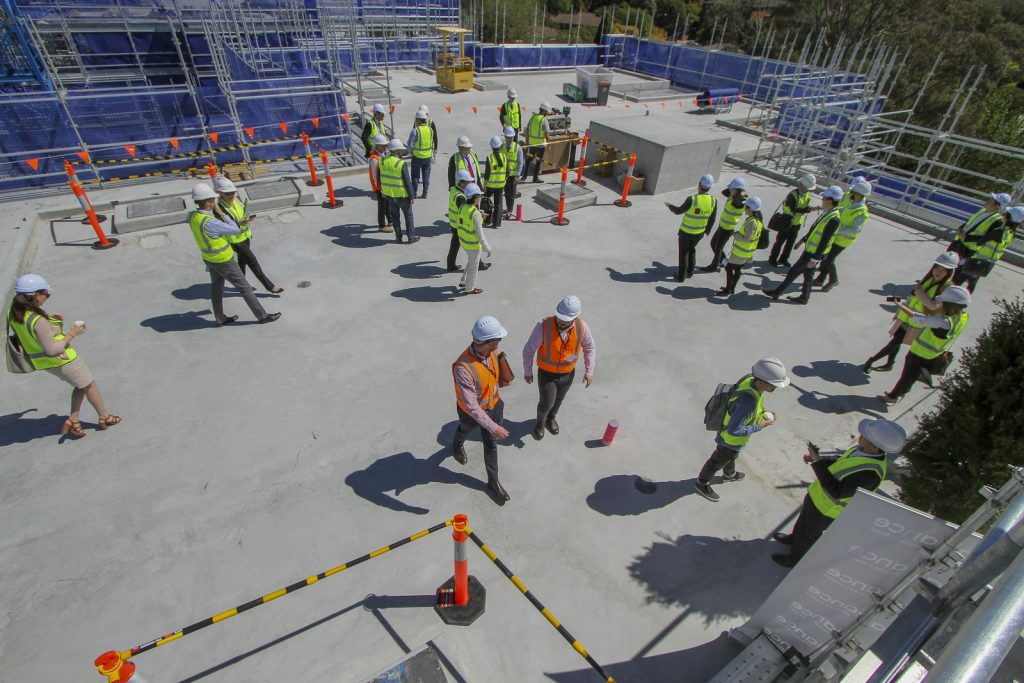
An EU is only on the table after something has gone wrong, and it still comes at a significant cost, often more than the fine itself. The smarter investment is the one made before an incident: strong safety systems, trained workers and genuine consultation.
The activities SafeWork SA values in an EU, such as training, worksite reviews, safer plant and active worker engagement, are exactly the things that prevent incidents in the first place.
What this means for your workplace
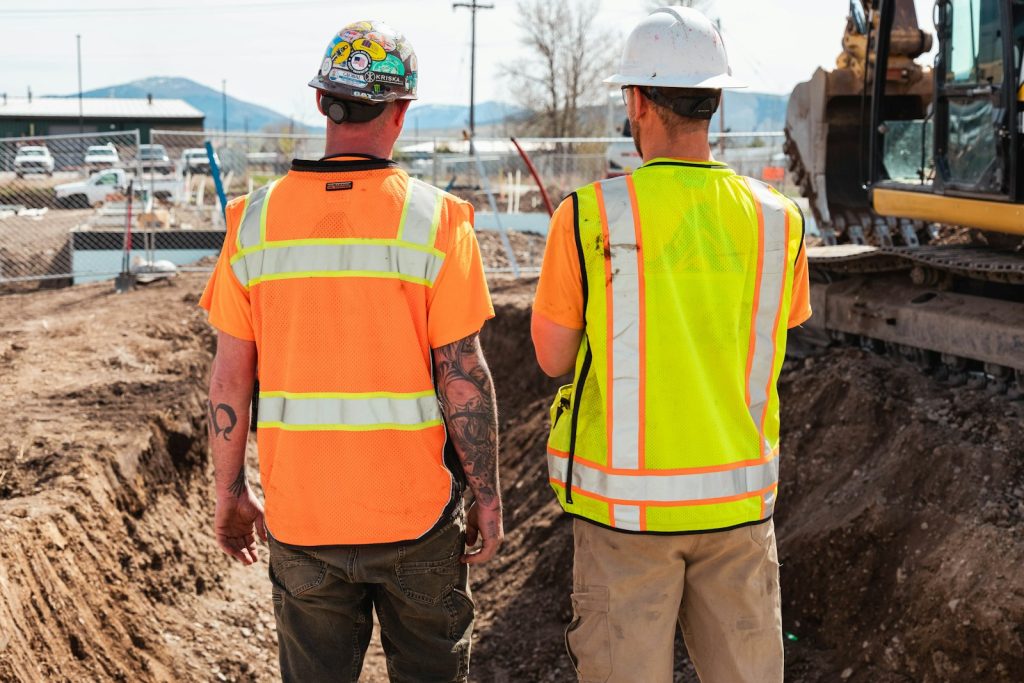
- Know your duties. Make sure owners, managers and supervisors understand their obligations under the WHS Act.
- Invest in training now. Training is one of the most common EU activities, and it costs far less as prevention than as a penalty.
- Review your worksite. An external review can find gaps before an inspector, or an incident, does.
- Keep plant and equipment safe. Maintain, guard and upgrade plant before it becomes a problem.
- Consult your workers and HSRs. Active engagement is exactly what SafeWork SA looks for in a business.
- Get advice early. If something does go wrong, SafeWork SA’s Regulatory Assurance Team can explain the EU process confidentially.
Source: Adapted from SafeWork SA, $12 million invested in EUs in SA (11 November 2026) and Enforceable undertakings. Photos: Scott Blake, Ronnakorn Triraganon, Marcus Reubenstein and John Kakuk on Unsplash.
Build safety in before it costs you
Paragon WHS helps South Australian businesses understand their duties, train their people and put the right controls in place, from WHS awareness to HSR training.

Need expert Training?
We can help you ensure you’re fully compliant.