

New National Rules for Quad Bikes at Work: What Farms and Rural Businesses Need to Know
WHS News · Agriculture
Work health and safety ministers have agreed to new national rules for quad bikes used at work, including mandatory rollover protection and helmets. With 17 quad bike deaths already recorded this year, here’s what farms and rural businesses need to know.
Key takeaways
- A majority of WHS ministers have agreed to progress national reforms to quad bike safety at work.
- Operator protection devices and helmets are set to become mandatory for workplace quad bikes.
- Passengers would be restricted on single-rider bikes, and riders would need to be 16 or older.
- A 12-month transition period is proposed once the new regulations are published.
- 17 quad bike deaths were recorded in 2026 as at 5 November, already above the five-year average.
73
people died in quad bike incidents between 2021 and 2025
17
quad bike deaths recorded in 2026 as at 5 November
12 months
proposed transition period once the new rules are published
Why quad bike safety is back on the agenda
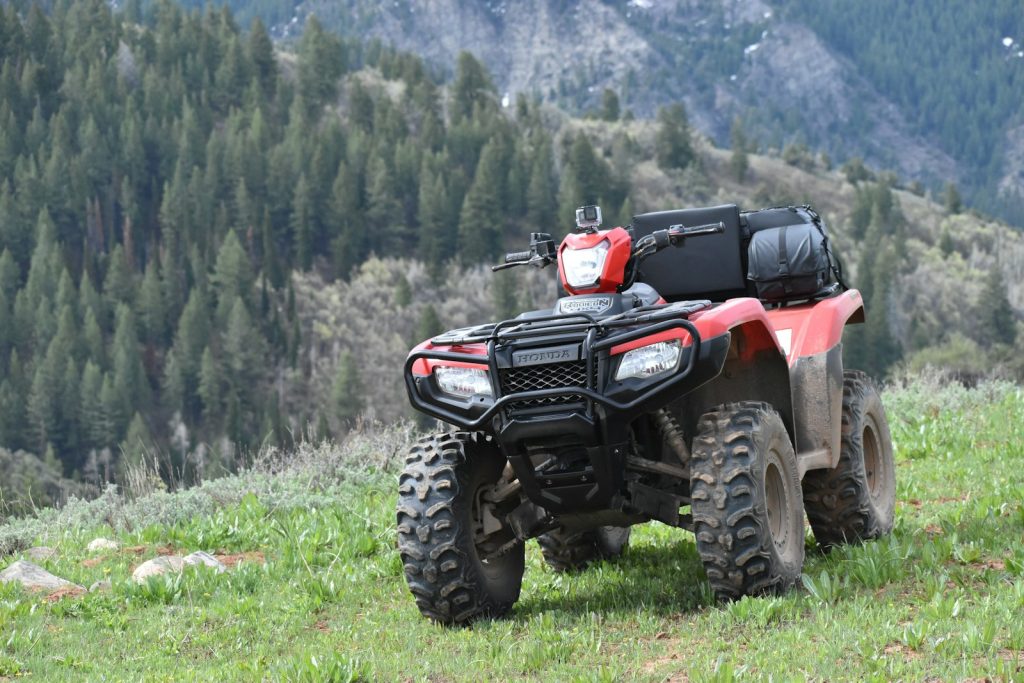
Quad bikes remain one of the most dangerous pieces of equipment on Australian farms and rural worksites. Between 2021 and 2025, 73 people died in quad bike incidents, an average of almost 15 deaths every year.
This year is already worse. As at 5 November 2026, 17 quad bike deaths had been recorded, more than the five-year annual average with almost two months still to go. In response, a majority of work health and safety (WHS) ministers have agreed to move ahead with reforms to make quad bikes safer at work.
What the reforms include
The reforms target the main ways people are killed and seriously injured on quad bikes at work:
| Reform | What it means at work |
|---|---|
| Operator protection devices (OPDs) | Every quad bike used in a workplace would need an OPD fitted, to help protect the rider if the bike rolls over. |
| Helmets | Wearing a helmet would be mandatory whenever a quad bike is used at work. |
| No passengers on single-rider bikes | Carrying passengers would be restricted on operator-only (type 1) quad bikes. |
| Minimum age of 16 | Only people aged 16 and over could use a quad bike in the workplace. |
| Better data | Improved collection of information on quad bike incidents. |
| Safety campaigns | Targeted communication activities to raise awareness of quad bike risks. |

How the decision was made
The decision follows public consultation from April to June 2026 on options to improve quad bike safety, along with an independent economic impact analysis.
That analysis looked at the costs, benefits and expected safety outcomes over a 10-year period (2025–26 to 2034–35). It found the reforms are expected to reduce deaths and serious injuries, with the benefits outweighing the overall cost of putting them in place.
What happens next
The new rules are not in force yet. Safe Work Australia will now draft amendments to the model WHS Regulations, which WHS ministers must approve before they are published. A 12-month transition period is proposed from publication, giving businesses time to prepare.
Once published, the changes will need to be adopted by each jurisdiction that follows the model WHS laws, including South Australia. Businesses don’t have to wait, though: fitting rollover protection and enforcing helmet use are practical controls that can be put in place today.
What this means for your workplace
- Audit your quad bikes. List every quad bike on your site, who rides it and what it’s used for.
- Fit rollover protection now. Don’t wait for the transition period. An operator protection device protects your riders today.
- Make helmets non-negotiable. Provide suitable helmets and make wearing them a site rule for every ride.
- Stop passengers on single-rider bikes. If a bike is built for one person, it carries one person.
- Check who rides, and train them. Keep under-16s off workplace quad bikes and make sure every rider is trained and competent.
- Consult your workers and HSRs. Ask the people who ride every day where the risks are, from slopes and loads to fatigue.
Source: © Commonwealth of Australia. Adapted from Safe Work Australia, WHS ministers agree to strengthen quad bike safety at work (17 November 2026), licensed under CC BY 4.0. Photos: Tony Litvyak, Rachel Cain, Aleksandrs Karevs and Ch Photography on Unsplash.
Make safety part of every ride
Paragon WHS helps farms and rural businesses manage plant and vehicle risks, consult their workers and put the right controls in place, from WHS awareness to HSR training.

Need expert Training?
We can help you ensure you’re fully compliant.

