
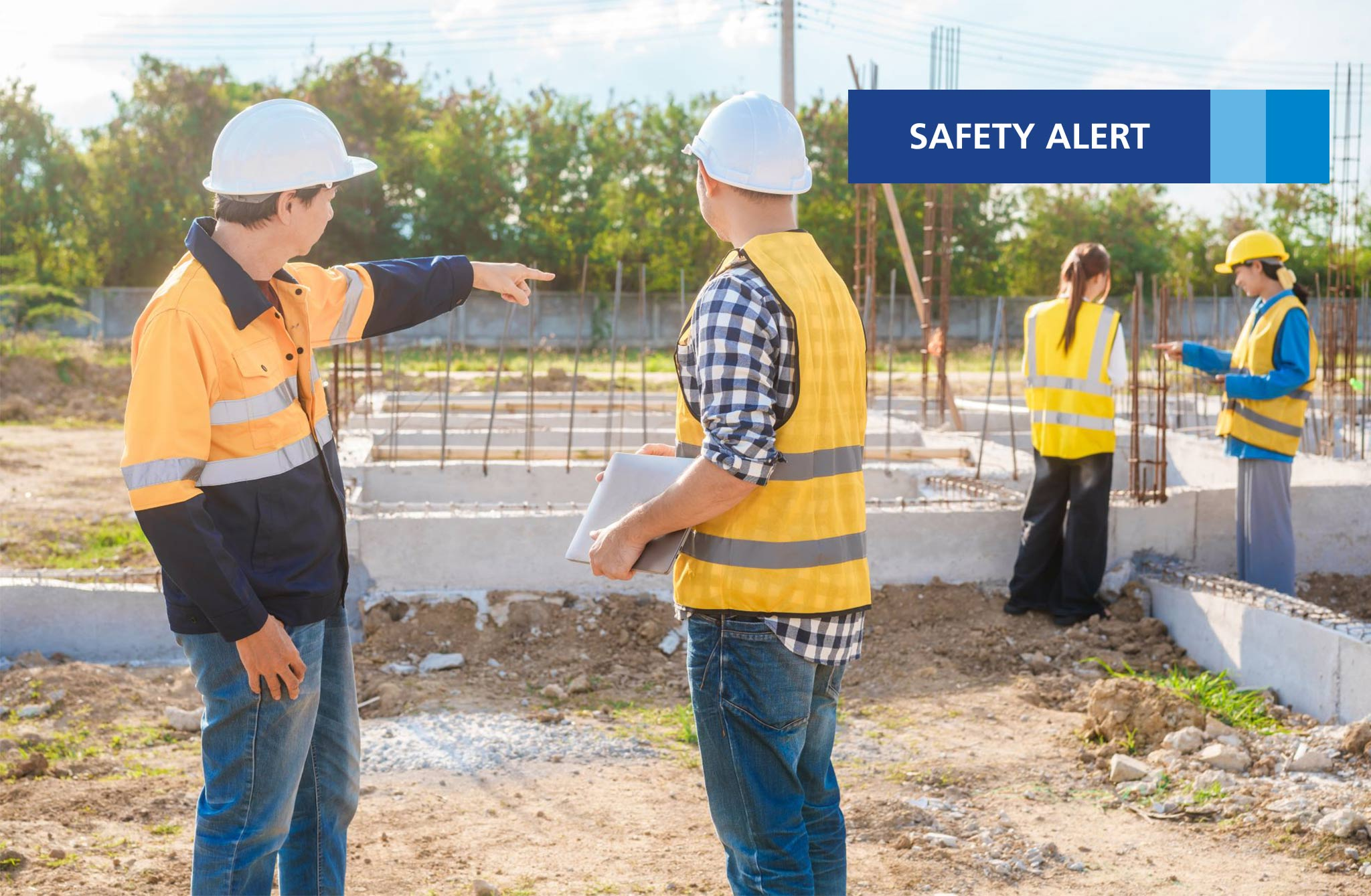
Keep an eye out for inexperienced workers
16 April 2026
Employers are being urged to appropriately supervise and train inexperienced workers after a labourer was injured on a residential construction site in February.
The inexperienced worker was assisting with first fix carpentry wall frames at a single-story residential construction project when the wind caught the wall frame knocking them to the ground.
The worker, who had less than a year’s experience as a casual labourer, was taken to hospital and treated for fractures to their ribs and collarbone.
Inexperienced workers should be supervised to ensure they have adequate instruction to conduct tasks on site safely.
It is important that inexperienced workers and apprentices understand their work health and safety rights and responsibilities(external site) when they enter the workforce.
As new workers, they may lack the experience and knowledge to understand risks and so it is essential they are properly inducted, trained and supervised so they can work safely.
Wall framing poses a significant collapse and fall risk if not properly managed, requiring immediate safety measures.
Key risk factors include: wind loads, inadequate bracing and premature loading. Mandatory practices include using diagonal structure props, securing frames immediately, and implementing a strict no-go zone.
Critical Risk Factors & Measures
- Safe Systems: Timber wall framing is often high‑risk construction work and must be planned and carried out in accordance with a Safe Work Method Statement (SWMS) that addresses risk, including wind, stability, working at height, work sequencing and worker experience.
- Temporary Bracing: Wall frames must be stabilised immediately upon lifting to prevent collapse, using structural-grade materials on a diagonal to the floor structure.
- Wind and Weather: Check weather forecasts; windy conditions which are a major cause of frame collapse and can affect worker’s balance.
- Fall Protection: When working at heights, appropriate fall protection such as guardrails or fall arrest systems. Avoid walking on top plates.
- Material Loading: Do not lean materials against walls before they are permanently braced and secured.
- Safe Lifting: Wall frames can be unstable and heavy.Ensure enough workers are present to handle the weight and the height of the frames, which can be unstable.
Safety tips
- Plan wall framing work using a task‑specific risk assessment or SWMS that addresses wind, stability, work sequencing, working at height and worker experience.
- Ensure enough workers are present to handle the weight and the height of the frames.
- Confirm all workers have appropriate training and are competent for the work they are undertaking.
- Remember that apprentices/vulnerable young workers are relatively inexperienced so ensure they are always properly supervised.
- PCBUs are remindedtocheck weather forecasts; windy conditions which are a major cause of frame collapse, the safety of workers is paramount.
- Never rush framing work, safety must take priority over productivity.