
Loader fire highlights refuelling safety risks
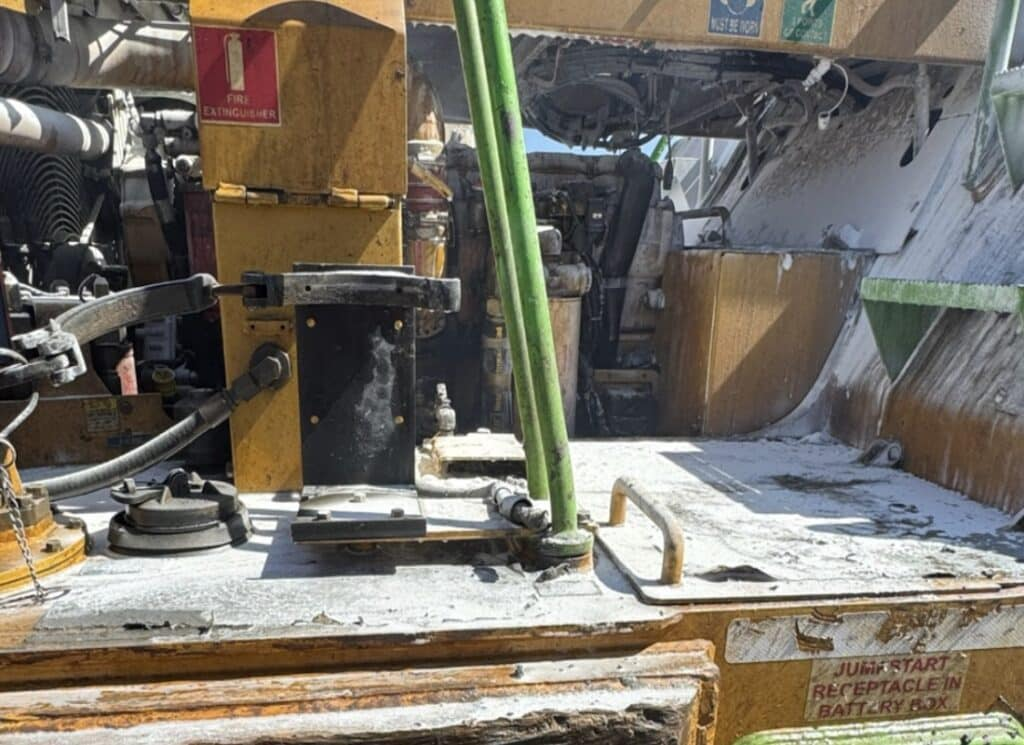
A refuelling incident at an underground metals mine has reinforced concerns about the placement of fuel delivery systems on mobile plant, after the fuel spray ignited on contact with a hot engine surface.
The incident occurred while a worker was refuelling an underground loader on the surface when fuel sprayed from a quick-fill nozzle and contacted the machine’s hot turbo, igniting immediately.
Although the loader’s onboard fire suppression system activated and initially extinguished the flames, the fire later re-ignited and had to be put out using handheld fire extinguishers.
The NSW Resources Regulator confirmed that no injuries were reported.
The incident highlights the risks associated with refuelling equipment when fuel delivery systems, tank components, and ignition sources are not adequately separated, particularly where fuel may be directed or splashed onto hot surfaces during filling operations.
According to the regulator, refuelling systems must be properly engineered and matched with the fuel tank, breather and delivery systems installed on the plant to prevent uncontrolled fuel release toward ignition sources.
Operators are urged to confirm that overflow piping and breathers are positioned to direct any escaping fuel safely away from hot surfaces and other potential ignition points. Maintenance, inspection and testing of refuelling systems should be carried out in line with manufacturer recommendations, with maintenance management systems also incorporating lifecycle maintenance of fuel tank level control vent assemblies and fuel tank caps.
Additionally, operators are advised to ensure that refuelling systems do not exceed the design limits for fuel tank flow and pressure, and to maintain an asset list of all fixed and mobile plant that require refuelling with liquid hydrocarbons such as diesel or petrol.
For identified assets, operators should assess breather locations, inspect fuel tank caps for liquid-tight integrity under expected service pressures, and check fuel tanks for cracks, leaks or fatigue damage.
Fuel delivery equipment, including hoses, quick-fill couplings, support booms and break-away safety devices, should also be inspected to confirm they remain fit for service and free from unauthorised modifications.
Subscribe to Safe to Work for the safety news that matters most to the Australian mining industry.