
Operators urged to stay on top of equipment hazards following incident
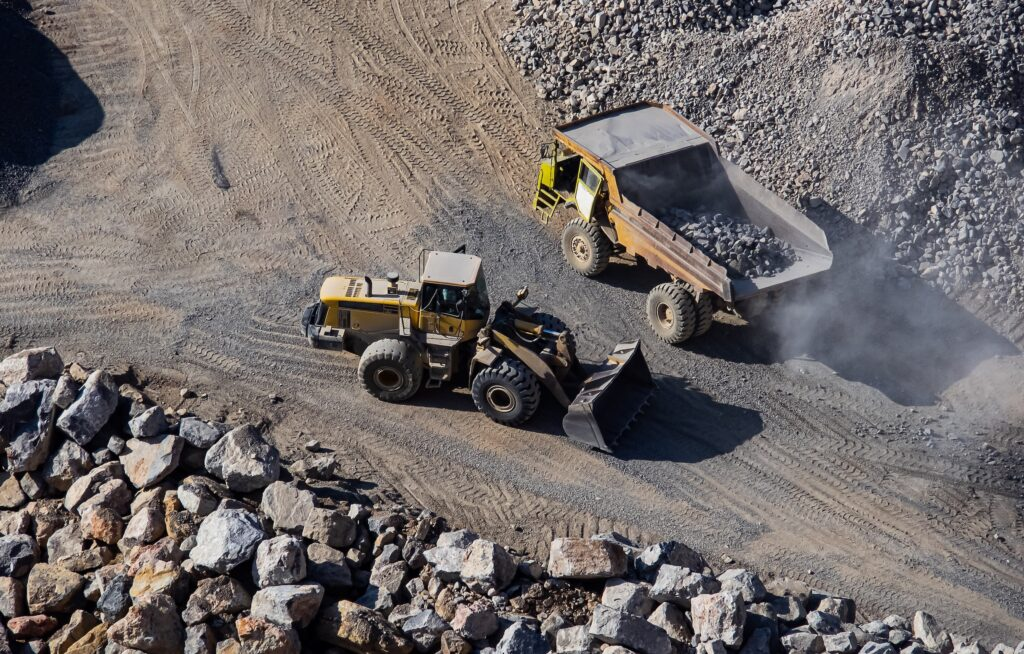
Mine operators are being advised to manage hazards on their sites appropriately, after a contract maintenance worker was seriously injured by a hydraulic hammer detaching from an excavator and falling onto him.
The incident occurred last month at a quarry in Albury while the worker was assisting three workers to unblock a jaw crusher. As part of the job, a 46-tonne excavator fitted with a hydraulic hammer was being used to apply downward pressure on the material lodged in the crusher.
The excavator was trammed into position above the jaw crusher and the contract maintenance worker stood on a catwalk above the blockage to act as a spotter for the operator. As the excavator operator began positioning the hydraulic hammer, the 3.3-tonne attachment unexpectedly detached from the excavator’s quick hitch device and fell onto the worker.
The worker was trapped for around two hours before being rescued by emergency services and transported by air ambulance to hospital. He sustained severe injuries, including the amputation of his right leg, fractures to his pelvis, scapula, ribs and upper arm, facial fractures, and multiple cuts and abrasions.
The NSW Resources Regulator is currently investigating the incident and is exploring the mechanism of failure, including whether the quick hitch device failed or the attachment was incorrectly installed, the condition and maintenance of the plant involved, the adequacy of the quarry operator’s safety management system, and the instruction, training and supervision provided for the task. A report will be published once the investigation is complete.
In the meantime, the safety body is reminding mine operators of their obligations under work health and safety legislation to identify and manage risks. This includes ensuring mobile plant is properly maintained and inspected, requiring pre-start checks before use, preventing the operation of unsafe plant, mandating the use of locking systems such as safety pins for quick hitch attachments, managing mobile plant and pedestrian interactions through controls like exclusion zones, and completing adequate risk assessments before workers commence new tasks.