
Transport company directors are now squarely in the firing line
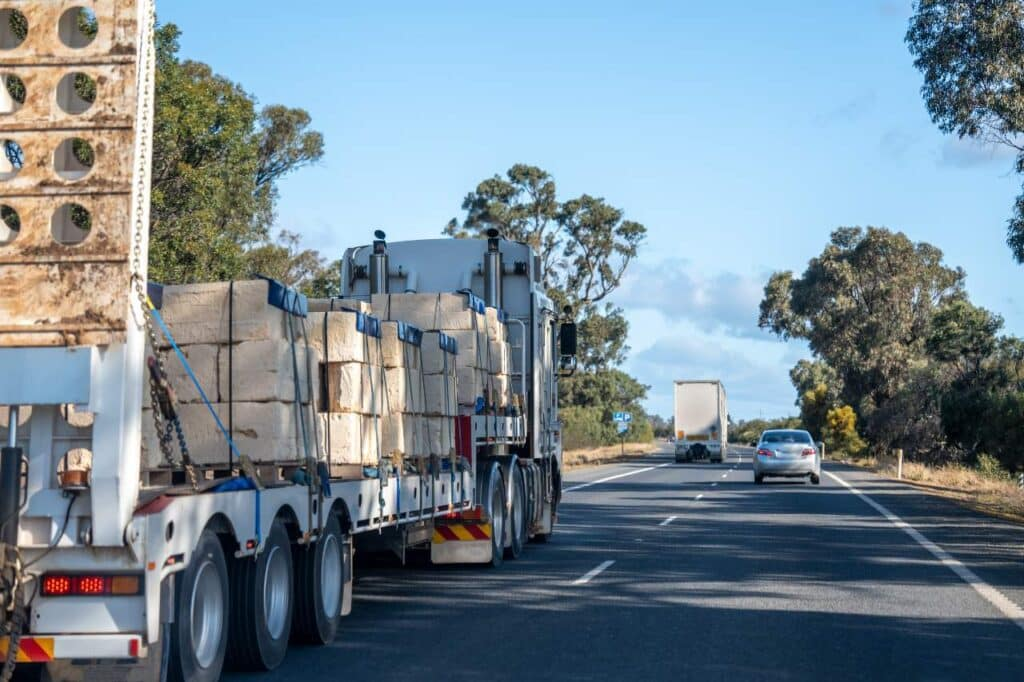
Directors in the transport sector can no longer assume that compliance is something handled “down the chain”.
When a serious safety incident occurs, both the NHVR and state WorkSafe regulators are now routinely testing whether company officers have exercised due diligence, not just whether the business had policies on paper.
Under the Heavy Vehicle National Law, section 26D places a personal duty on officers to take reasonable steps to ensure their business is meeting its safety obligations.
State and territory WorkSafe regulators apply a similar standard under the Work Health and Safety laws.
That means directors are expected to be active participants in safety, not passive recipients of reports after something goes wrong.
Regulators are increasingly blunt. They want to know what directors personally did, not what they delegated, hoped, or assumed.
What investigators look for
When WorkSafe or the NHVR opens an investigation, these are the themes that drive their questioning of directors.
They will likely want to know how you stay informed about safety in transport activities and whether you actively maintain that knowledge.
They will explore your understanding of the way your business operates not just commercially, but in terms of how freight moves, who controls what, and where the risks sit in practice.
They will expect you to identify the hazards and risks associated with your transport activities, including risks to the public.
They will then drill into whether you ensured the business had the right resources, people, systems, technology, training and that those resources were actually used to eliminate or minimise those risks.
They will likely assess whether you required and monitored safety processes that respond to information and incidents in a timely way.
They will test whether you ensured the business had processes to meet its safety duties and whether you checked that those processes were working in real life, not just in policy manuals.
It is not a set and forget, you will need to demonstrate that you review and verify the risks and controls regularly.
Inspectors are now asking about money
A growing focus in interviews is safety budgeting. Directors are being asked to identify the safety budget they set, how it was determined, and how they assessed whether it was sufficient.
The trend is clear
The enforcement landscape is shifting. The proposed reforms to the HVNL will only increase the expectation that businesses have a functioning safety management system, with directors actively overseeing it.
The message to directors is simple: due diligence is not a checklist after an incident. It is continuous, documented, and visible.
If a director cannot show what they did, when they did it, and how they checked it was effective, regulators will assume it didn’t happen.
If you are served with a regulatory notice, don’t guess your way through it. The evidence you supply may well be the evidence used against your company or you. A legal expert can help you assess which defences might apply in your case.
This article provides general guidance only and is not intended to cover every circumstance or provide specific legal advice. Each case turns on its own facts and operators should seek independent legal advice. Liability limited by a scheme approved under Professional Standards Legislation.